DHCP discovery
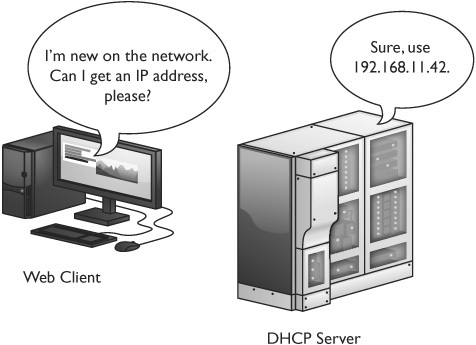
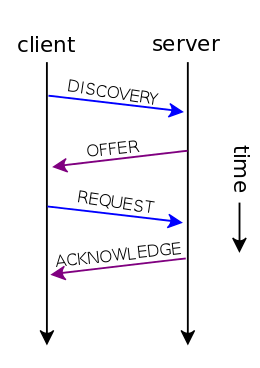
The DHCP client broadcasts a DHCPDISCOVER message on the network subnet using the destination address 255.255.255.255 (limited broadcast) or the specific subnet broadcast address (directed broadcast). A DHCP client may also request its last known IP address. If the client remains connected to the same network, the server may grant the request.
DHCP offer
When a DHCP server receives a DHCPDISCOVER message from a client, which is an IP address lease request, the DHCP server reserves an IP address for the client and makes a lease offer by sending a DHCPOFFER message to the client. This message contains the client's client id (traditionally a MAC address), the IP address that the server is offering, the subnet mask, the lease duration, and the IP address of the DHCP server making the offer.
DHCP request
In response to the DHCP offer, the client replies with a DHCPREQUEST message, broadcast to the server, requesting the offered address. A client can receive DHCP offers from multiple servers, but it will accept only one DHCP offer. Based on required server identification option in the request and broadcast messaging, servers are informed whose offer the client has accepted. When other DHCP servers receive this message, they withdraw any offers that they have made to the client and return the offered IP address to the pool of available addresses.
DHCP acknowledgement
When the DHCP server receives the DHCPREQUEST message from the client, the configuration process enters its final phase. The acknowledgement phase involves sending a DHCPACK packet to the client. This packet includes the lease duration and any other configuration information that the client might have requested. At this point, the IP configuration process is completed.
The protocol expects the DHCP client to configure its network interface with the negotiated parameters.
After the client obtains an IP address, it should probe the newly received address (e.g. with ARP Address Resolution Protocol) to prevent address conflicts caused by overlapping address pools of DHCP servers.